Roses Princess Numbers: A Designer’s Review
As an embroidery designer who spends more time analyzing stitch paths than most people spend sleeping, I approach every new digital embroidery file with a healthy dose of skepticism. We have all been there: you download a cute design, load it onto your machine, and watch in horror as the thread nests into a bird’s nest of regret. That is why when I first encountered Roses Princess Numbers, I did not just look at the preview image. I looked at the structure, the potential application, and the reality of how these digits would perform on actual fabric.
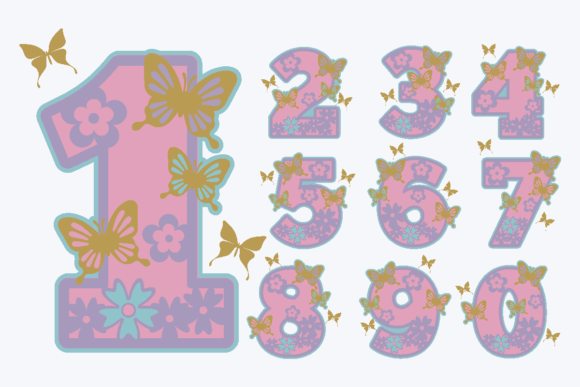
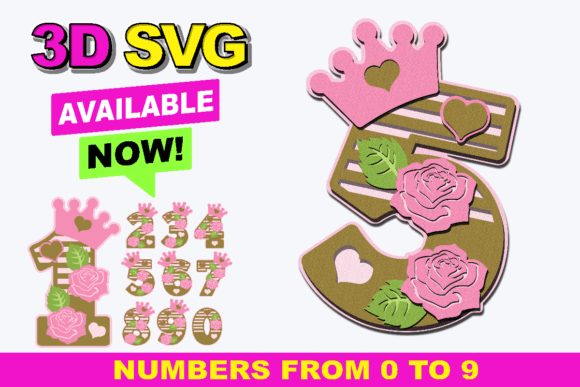
This collection falls under the category of Shapes, but do not let that simple classification fool you. These are not basic block numerals. They are stylized, thematic elements that blend typography with decorative flair. The product description notes that this is a 3D SVG collection, including numbers 0-9 in a zipped folder with three layered files. For those of us working in Silhouette Studio or Cricut Design Space, this versatility is immediately appealing. However, my primary concern is always how these vector layers translate into thread when put under the needle of an embroidery machine.
The First Impression: Mood and Aesthetic
The immediate vibe of Roses Princess Numbers is whimsical yet structured. There is a softness to the curves that suggests femininity and elegance, making it a natural fit for projects targeting a younger demographic or those aiming for a boutique, handcrafted aesthetic. The "princess" element implies a certain level of detail—likely involving floral motifs or rounded, ornate serifs that mimic the organic shape of rose petals.
From a design perspective, this mood dictates where the product belongs. It does not scream "industrial workwear" or "minimalist modern office decor." Instead, it whispers of nursery walls, birthday celebrations, and personalized keepsakes. When I visualize these numbers stitched out, I see them anchoring a personalized gift rather than serving as a subtle background element. They are meant to be seen, admired, and touched.
Real-World Application: The Tote Bag Test
To truly evaluate a design, you must imagine it in a real-life scenario. Let us say I am preparing a custom order for a local boutique. The client wants a set of matching tote bag designs for a children’s birthday party. They want each bag to feature the age of the child prominently. This is where Roses Princess Numbers shines.
Because the collection includes layered files, I can separate the decorative rose elements from the core number shape if needed. This allows for creative control over thread colors. I might choose a soft blush pink for the roses and a contrasting ivory for the number itself. On a canvas tote, which has a relatively stable fabric texture, these numbers would hold their shape well. The visual appeal here is high; it transforms a simple utility item into a memorable handmade product that parents will keep long after the party is over.
However, I also considered using these for sweatshirt embroidery. Here, the stakes are higher. Sweatshirts are thick, often fuzzy, and stretchy. If the stitch density of the original SVG conversion is too high, the fabric might pucker. If it is too low, the underlying shirt color might show through, ruining the crispness of the design. This is why I always advise testing on scrap fabric first. You need to see how the fill stitch interacts with the fleece or cotton blend before committing to the final garment.
Navigating Technical Challenges
While the aesthetic is charming, practical embroidery requires us to look at the mechanics. The term 3D SVG suggests depth and layering. In embroidery, layering translates to multiple color stops and potentially complex jump stitches. If you are using this for a commercial embroidery project where speed matters, you need to check the stitch count. Although the product description does not provide exact stitch counts, experienced designers know that intricate rose details can add significant runtime.
There are specific situations where you should use Roses Princess Numbers with caution. For instance, avoid using the full, detailed version on small hoop sizes like a 4x4 inch hoop if the number is large. The details may become lost or cause thread breaks due to tight turns. Similarly, be careful with thin fabric or stretchy materials like jersey knits used in baby embroidery projects. Without a proper cut-away stabilizer, the weight of the stitching could distort the garment, making it uncomfortable for a child to wear.
Another critical area is curved surfaces, such as caps. Embroidering on a cap requires a design that sits flat and does not have excessive bulk. If the "rose" elements of these numbers create too much height, they may not fit under the cap frame properly or could look lumpy. In such cases, simplifying the design or using it as an applique design base might be a smarter route. By cutting the number shape from felt or fabric and only embroidering the outline or minimal details, you reduce bulk while maintaining the visual impact.
Enhancing Brand Value and Customer Trust
For Etsy sellers and small shop product creators, the quality of your design assets directly impacts your brand consistency. Using a cohesive set like Roses Princess Numbers helps establish a recognizable style. When customers see a consistent aesthetic across your custom apparel, pillow covers, and holiday embroidery items, it builds trust. They perceive your shop as professional and curated, rather than a random assortment of downloaded clips.
Moreover, the "princess" theme taps into a lucrative market segment. Parents and gift-givers are constantly seeking unique, high-quality items for special occasions. A well-executed embroidered patch or a monogrammed blanket featuring these numbers can command a higher price point because it looks bespoke. The key is presentation. Use high-quality printable mockup tools to showcase how the numbers look on different backgrounds. Show the contrast on dark fabrics versus light fabrics. This transparency helps buyers visualize the finished product and reduces return rates.
Practical Notes for the Working Designer
Before you integrate Roses Princess Numbers into your workflow, here are my top recommendations for ensuring success:
- Test on Scraps: Always run a test stitch-out on the same type of fabric you plan to use for the final item. Check for puckering, thread breaks, and coverage.
- Check Contrast: These designs rely on detail. Ensure your thread colors provide enough contrast against the fabric. A white number on a cream shirt might look washed out; consider adding a satin stitch border to define the edges.
- Review Stabilizer Choice: For stretchy fabrics like those used in t-shirts or baby clothes, use a cut-away stabilizer. For stable fabrics like denim or canvas, a tear-away might suffice, but test first.
- Verify Licensing: The product description mentions ease of use in cutting software, but it does not explicitly detail commercial licensing terms for the embroidery files. Always confirm whether you can sell finished items made with these designs before listing them in your craft business.
- Inspect Small Details: Zoom in on the digital file. Are there tiny, isolated stitches that might snag? If so, consider editing the file to merge small elements or increase the minimum stitch length.
In conclusion, Roses Princess Numbers is a versatile addition to your library of design assets. It bridges the gap between digital precision and handmade charm. Whether you are creating holiday gifts, wedding gifts, or everyday small business merchandise, this collection offers a distinct visual personality. Just remember that great embroidery is not just about the design file; it is about the interaction between thread, fabric, and technique. Treat these numbers with the attention they deserve, and they will elevate your embroidery project from good to exceptional.