Butterfly Numbers: A Designer’s Real-World Review
As an embroidery designer who has spent countless hours digitizing, testing, and critiquing machine embroidery designs, I approach every new file with a mix of curiosity and skepticism. We have all been there: you download a digital embroidery file that looks stunning in the preview thumbnail, only to find it puckers the fabric or loses its charm once stitched out. Today, I am taking a close look at Butterfly Numbers, a unique collection that blends numeric functionality with organic, whimsical aesthetics. This is not just another font pack; it is a statement piece for those of us looking to elevate our custom apparel and handmade product lines.
First Impressions: Whimsy Meets Function
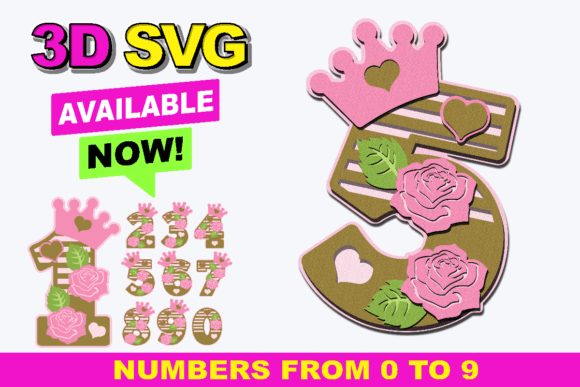
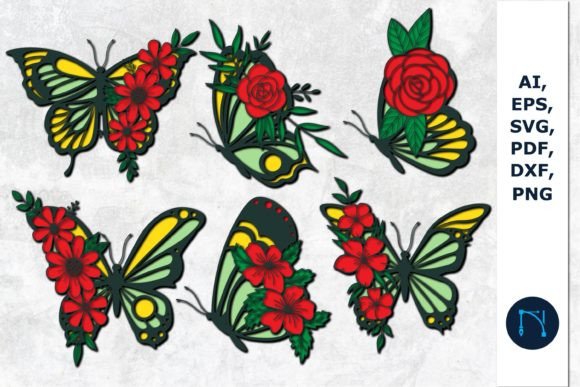
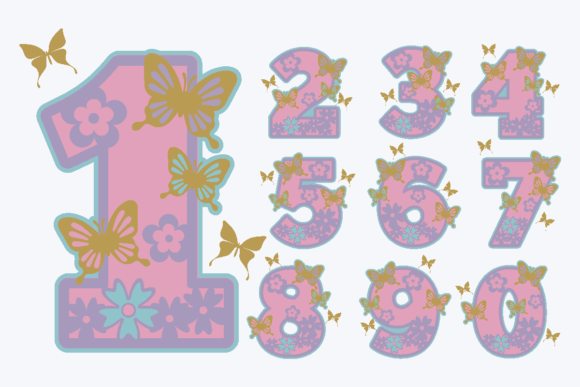
The moment I unzipped the folder containing Butterfly Numbers, I was struck by the clever integration of form and function. The concept is simple yet effective: numbers 0 through 9 are stylized to incorporate butterfly motifs. This falls under the Shapes category, but it feels more like decorative art than standard typography. The design creates a mood that is playful, light, and inherently feminine without being overly childish. For a designer, this versatility is key. It suggests immediate applications in nursery decor, spring-themed holiday embroidery, and personalized gifts for young girls or women who appreciate nature-inspired details.
What stands out initially is the balance between the structural integrity of the number and the delicate wings of the butterfly. In many poorly digitized designs, these elements compete for attention. Here, they seem to coexist, suggesting that the digitizer considered how the eye travels across the stitch path. However, as with any complex motif, the devil is in the details, and I needed to see how this translated from screen to hoop.
The Real-World Test: Stitching on a Tote Bag
To truly evaluate Butterfly Numbers, I decided to test it on a project that demands both durability and visual appeal: a canvas tote bag. Tote bags are a staple for Etsy sellers and small shop products because they offer a large, flat surface area ideal for showcasing design work. I chose a natural cotton canvas, which provides a neutral background that allows the thread colors to pop.
I selected the number "5" for my test run. Since this is a 3D SVG collection intended for cutting as well as embroidery, the lines are clean and defined. When loading the file into my embroidery software, I paid close attention to the stitch types. The design utilizes a mix of satin stitch for the outlines and finer details of the butterfly wings, and fill stitch for the broader areas of the number itself. This combination is crucial for texture variation. A design that is all fill can look flat, while one that is all satin can become bulky and prone to snagging.
During the stitching process, I monitored the stitch density. One common issue with intricate designs like this is excessive density, which can cause the fabric to pucker or the hoop marks to remain visible long after the project is finished. I was pleased to find that Butterfly Numbers maintained a reasonable density. The running stitch underlays were sufficient to stabilize the design on the canvas without adding unnecessary bulk. The result was a crisp, professional-looking number that retained the delicate feel of the butterfly wings.
Versatility Across Products and Fabrics
Beyond the tote bag, I considered how this embroidery file would perform on other popular items. For sweatshirt embroidery, the design holds up well, provided you use a cut-away stabilizer to support the stretch of the knit fabric. The slightly raised texture of the satin stitches adds a nice tactile element to fleece or cotton blends. However, I would advise caution when using this on thin or stretchy fabrics like jersey t-shirts. Without proper stabilization, the weight of the thread could distort the garment.
For baby embroidery projects, such as onesies or burp cloths, the whimsical nature of Butterfly Numbers is a perfect fit. Parents love personalized items, and a name or birth date rendered in this style makes for a cherished personalized gift. However, always consider the comfort of the wearer. If the back of the stitching feels rough, a soft backing or appliqué method might be necessary. Speaking of which, while this is primarily an embroidery design, the inclusion of SVG files means it can also be used as an applique design template. Cutting fabric shapes to fill the number and then stitching around the edges can reduce stitch count and create a softer finish, ideal for sensitive skin.
When it comes to embroidered patch creation, this design shines. Patches allow for higher stitch densities and heavier threads, which can enhance the 3D effect of the butterfly wings. A patch featuring a lucky number or a significant date in this style could be a bestseller at craft fairs. Just ensure your hoop size is appropriate for the specific number you are stitching, as some digits may be wider due to the wing spans.
Design Considerations and Potential Pitfalls
While Butterfly Numbers is a strong contender for many projects, there are scenarios where it requires careful handling. Small hoop sizes can be tricky. If you are trying to fit a two-digit number into a 4x4 inch hoop, you may need to scale down the design. Be wary of scaling too small, as the fine details of the butterfly wings may merge or become indistinct. Always stitch a test sample on scrap fabric before committing to your final piece.
Color choice is another critical factor. On dark fabrics, you must ensure high contrast. A pastel butterfly on navy blue might get lost. Conversely, on light fabrics, avoid using white thread for the entire design unless you want a subtle, tonal look. I recommend using variegated threads for the wings to add depth and movement, mimicking the iridescence of real butterfly wings. This small tweak can significantly increase the perceived value of your finished product.
Additionally, consider the curvature of the item. Embroidering on caps or curved surfaces requires extra attention to hooping and stabilization. The asymmetrical nature of some numbers in this set might look off-center if not carefully aligned. Always use water-soluble markers or placement stickers to ensure precise positioning.
Commercial Viability and Brand Consistency
For craft business owners and commercial embroidery professionals, Butterfly Numbers offers a unique selling point. It differentiates your offerings from the standard block fonts that saturate the market. Using this design in your printable mockup previews can attract customers looking for something special. It conveys a sense of care and artistic flair, which builds customer trust and brand consistency.
However, always verify the licensing terms included in the zipped folder. While the description mentions ease of use with Silhouette Studio and Cricut Design Space, ensure you understand the rights for selling finished physical items versus digital products. Most designers allow the sale of finished goods, but reselling the digital file itself is typically prohibited. Clarifying this protects your business and respects the creator's intellectual property.
Final Verdict
In conclusion, Butterfly Numbers is a well-executed design that bridges the gap between decorative art and functional typography. It performs reliably on a variety of fabrics, from sturdy canvas to soft knits, provided proper stabilization techniques are used. Its versatility makes it a valuable addition to any designer’s library, suitable for everything from tote bag design to boutique baby wear. By paying attention to stitch density, color contrast, and hoop placement, you can create stunning, high-quality items that resonate with customers. For those looking to add a touch of whimsy and professionalism to their embroidery project lineup, this collection is worth the investment.