Reviewing the Cartoon Dog Paper Sculpture for Embroidery
As a designer who spends more time staring at stitch simulations than I do sleeping, I have learned to look past the glossy preview images. We all know that a digital embroidery file can look pristine on a screen but turn into a tangled mess of thread breaks and puckering on actual fabric. When I first encountered the Cartoon Dog Paper Sculpture, my initial reaction was curiosity mixed with caution. The concept is charming—a whimsical, folded-paper aesthetic applied to a canine subject—but translating a 3D paper craft vibe into a two-dimensional stitched medium requires careful technical execution.
This review comes from the perspective of someone who has stitched thousands of designs for clients, from high-end boutique apparel to quick-turnaround Etsy orders. I am evaluating this design not just as art, but as a functional asset for your craft business. Whether you are an Etsy seller looking for your next bestseller or a hobbyist making a personalized gift, understanding how this design behaves under the needle is crucial.
The Aesthetic Appeal and Visual Personality
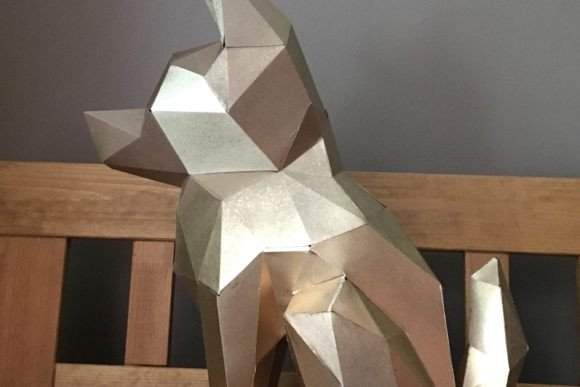
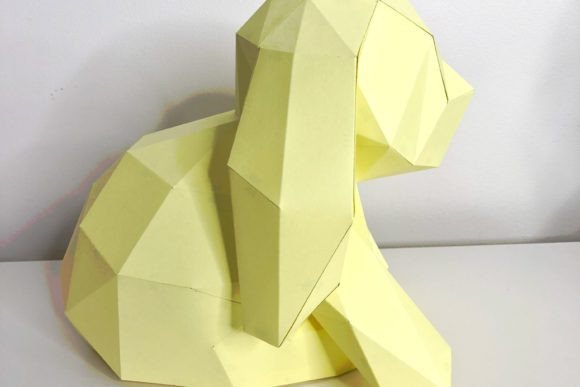
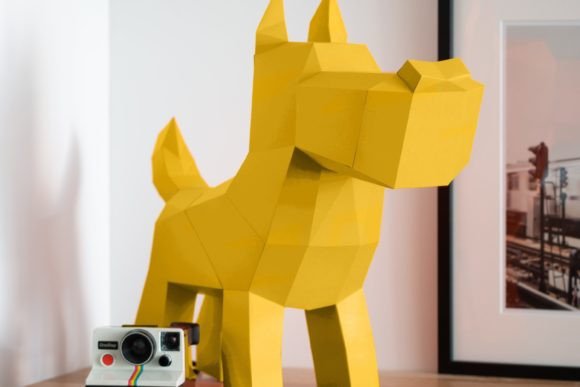
The Cartoon Dog Paper Sculpture belongs to the Animals category, but it stands out due to its unique stylistic approach. Unlike traditional cartoon dogs that rely on smooth curves and solid fills, this design mimics the sharp angles and layered shadows of origami or papercraft. This geometric interpretation gives it a modern, trendy feel that appeals to contemporary buyers who might find standard cartoons too juvenile.
The mood it creates is playful yet sophisticated. It feels intentional and designed, rather than clip-art slapped onto a shirt. For a designer, this is a significant advantage. It allows you to position your handmade product as a curated item rather than a generic commodity. The visual personality is friendly and approachable, making it an excellent candidate for children’s items, pet lover gifts, or even quirky home decor. However, the success of this aesthetic relies entirely on how well the stitching replicates those crisp "paper" edges.
Real-World Application: From Screen to Stitch
To test the viability of this design, I imagined a common scenario: a custom order for a set of matching family sweatshirts for a holiday photo shoot. The client wanted something cute but not overly babyish. The Cartoon Dog Paper Sculpture fit the brief perfectly in theory. But when considering sweatshirt embroidery, we must deal with thick, textured fabrics.
In this context, the design’s performance depends heavily on stitch type. If the designer behind this 3D SVG-inspired template utilized proper fill stitch techniques with adequate underlay, it should sit flat on fleece or cotton blends. However, if the angles are too sharp and the stitch density is too low, the fabric might show through, breaking the illusion of the solid "paper" shape. For a tote bag design, which typically uses heavier canvas, the design would likely hold up better, provided the hoop size is sufficient to stabilize the area.
I also considered its use on a custom apparel item like a denim jacket. Denim is dense and difficult to penetrate. A complex design with many small, angular details can lead to needle deflection. If the Cartoon Dog Paper Sculpture features tiny, isolated sections, they might not stitch out cleanly on denim without extensive testing. For smoother fabrics like twill or broadcloth, such as those used in embroidered patch production, the design would likely shine, offering crisp lines and clear definition.
Technical Considerations for the Serious Maker
Before you purchase or download this machine embroidery design, there are several technical factors you must verify. Since the product description mentions it is a quality template by Sofs Design, we assume a certain level of professionalism, but we cannot assume specific technical specs without seeing the file data.
- Stitch Density: Geometric designs often require higher density to look solid, but too much density on stretchy fabrics like jersey t-shirts will cause puckering. Always check the density settings if your software allows edits.
- Hoop Size: Confirm the required hoop size. If this design is large, it may not fit on standard 4x4 hoops, limiting its use for small items like baby socks or cap fronts.
- Stabilizer Selection: Given the angular nature of the design, using a cut-away stabilizer is recommended for garments that will be washed frequently. Tear-away might leave residual stress on the sharp corners of the design.
- Thread Colors: The "paper sculpture" effect relies on shading. Ensure you have a wide range of thread colors to replicate the gradients. Using only one or two shades will flatten the design and lose its 3D appeal.
It is vital to test the design on scrap fabric first. Do not skip this step. Run a test on the same material you intend to use for the final finished product. Check for thread breaks, especially at the vertices of the geometric shapes where the machine changes direction abruptly.
Navigating Fabric and Surface Challenges
Not every surface is friendly to this style of design. While it might look stunning on a structured apron or a stiff pillow cover, it could struggle on curved surfaces like caps. The rigid geometry of the paper sculpture style does not warp well around the curve of a baseball cap unless the design is specifically digitized for caps with appropriate pull compensation.
Additionally, consider the fabric texture. On highly textured fabrics like terry cloth towels, the fine details of the dog’s features might get lost. In such cases, simplifying the design or increasing the stitch count might be necessary, though this alters the original intent. For baby embroidery items, softness is key. Ensure that the back of the stitching is clean and does not have excessive jump stitches or knots that could irritate sensitive skin.
Commercial Viability and Brand Consistency
For small shop product creators, consistency is king. If you are building a brand around modern, geometric pet accessories, the Cartoon Dog Paper Sculpture is a strong design asset. It helps establish a recognizable visual language. Customers appreciate when a shop has a cohesive look. This design can be part of a larger collection, perhaps paired with other paper-style animals, to create a themed line of holiday embroidery gifts or nursery decor.
However, always confirm licensing before selling. Just because a file is labeled as a "quality template" does not automatically grant commercial rights. Check the terms provided by Sofs Design. Can you sell finished items? Can you include the digital file in a bundle? Clarifying this protects your commercial embroidery business from legal issues down the line.
Final Verdict for the Practical Designer
The Cartoon Dog Paper Sculpture offers a fresh take on animal motifs, moving away from the mundane into the realm of artistic interpretation. Its success in your embroidery project will depend on your attention to detail during the setup phase. It is not a "load and go" design for beginners who ignore fabric types and stabilizers. But for the experienced maker who understands the interplay between satin stitch borders, fill areas, and fabric behavior, it provides a unique opportunity to create standout pieces.
Whether you are creating a printable mockup for your online store or stitching a real-life kitchen towel, treat this design with the respect it deserves. Test it, tweak it if necessary, and present it well. In the crowded market of handmade goods, distinctive designs like this are what capture attention and build customer trust. Just remember: the magic is not just in the file, but in how you bring it to life on fabric.