Reviewing the Paper Bag Template for Embroidery Projects
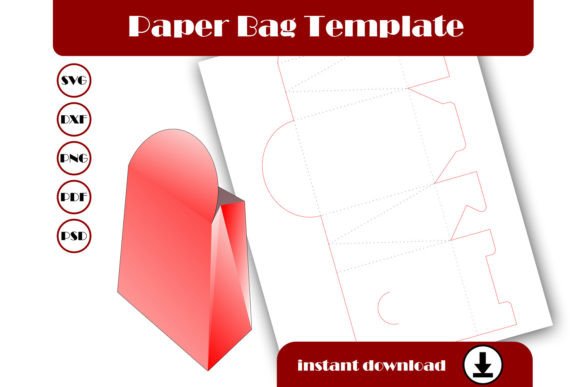
As an embroidery designer who has spent years digitizing patterns and testing them on everything from stiff denim to delicate baby knits, I approach every new asset with a critical eye. We often talk about intricate florals or complex monograms, but sometimes the most valuable tools in our digital toolkit are the structural ones. Recently, I evaluated the Paper Bag Template, Lunch Bag Template to see how it holds up not just as a graphic element, but as a foundational component for real-world craft business items. This isn’t just a clipart file; it is a functional design asset that bridges the gap between digital mockups and physical production.
First Impressions: Simplicity Meets Versatility
When I first opened the files, my immediate observation was the clean, uncluttered nature of the design. The product description notes that this is a blank template with no logo or image, which is exactly what makes it powerful for a professional designer. In the world of Shapes and structural graphics, negative space is your friend. The template provides a recognizable silhouette—the classic lunch bag or paper sack shape—that instantly communicates context without demanding attention away from your primary embroidery work.
The inclusion of both a .PSD file for Photoshop and a .SVG file for cutting machines suggests a hybrid workflow. For us in the embroidery niche, the SVG is particularly interesting. While we don’t stitch SVGs directly, having a vector-based outline allows us to trace paths for satin stitches or create precise applique placements. It feels less like a static image and more like a 3D SVG concept that invites layering. The mood is utilitarian yet charming, evoking nostalgia for school lunches, bakery treats, and boutique packaging. It fits naturally into projects that aim for a handmade, artisanal aesthetic.
Real-World Application: Beyond the Screen
To truly test the viability of the Paper Bag Template, Lunch Bag Template, I imagined a specific client project: a custom order for a local bakery wanting branded merchandise. They didn’t just want logos on shirts; they wanted a cohesive brand experience. Here is how this template performs in practical scenarios:
- Custom Apparel and Sweatshirts: Using the template as an applique base on a sweatshirt creates a textured, dimensional look. You can stitch the outline of the bag using a dense satin stitch, then fill the interior with a contrasting fabric. This technique reduces stitch count compared to a full fill, making it softer and more comfortable to wear.
- Tote Bag Design: For canvas totes, the template serves as a perfect frame. Imagine embroidering fresh produce or baked goods "inside" the paper bag shape. The structure guides the eye and keeps the composition tidy, which is crucial for Etsy sellers who need their products to look professional in photos.
- Personalized Gifts and Baby Items: On a baby bib or a nursery wall hanging, the soft edges of the paper bag shape can be rounded further for safety and aesthetics. It creates a playful narrative—perhaps holding embroidered toys or blocks—making it an ideal personalized gift for baby showers.
The versatility extends to holiday embroidery as well. During the festive season, this shape can transform into a gift bag holding ornaments or sweets. For small shop products, having a consistent visual anchor like this helps build brand recognition. Customers begin to associate that specific bag shape with your quality and style.
Technical Considerations for Stitching Success
While the design concept is strong, executing it requires technical precision. As a reviewer, I must highlight where caution is needed. The Paper Bag Template, Lunch Bag Template relies heavily on its outline to define the shape. If you are working with a small hoop size, ensure that the details of the bag’s folds or handles do not become too dense. High stitch density in small areas can lead to puckering, especially on thinner fabrics.
Fabric texture plays a massive role here. On textured fabrics like terry cloth or heavy linen, a simple running stitch might get lost. In these cases, I recommend using a slightly wider satin stitch for the borders to ensure visibility. Conversely, on stretchy fabrics like jersey tees, proper stabilization is non-negotiable. Without a cut-away stabilizer, the weight of the embroidery could distort the bag shape, ruining the crisp lines that make the design effective.
Another critical factor is color contrast. Since this is a blank template, the visual impact depends entirely on your thread choices. Test your design in black and white mockups first. If the outline doesn’t stand out against the background in grayscale, it won’t pop in color either. For dark fabrics, consider using a lighter thread for the outline or adding a light-colored underlay to boost visibility.
Enhancing Product Value and Customer Trust
Why does a simple shape matter for your bottom line? Because professionalism sells. When customers browse commercial embroidery listings or visit craft fairs, they are drawn to clarity and intentionality. A well-executed embroidered patch or apron featuring this template looks deliberate, not accidental. It shows that you have thought about the composition.
For digital product sellers, this template is invaluable for creating printable mockup assets. You can place your embroidery designs within the bag shape in Photoshop to show potential buyers how a finished product might look. This enhances buyer engagement and reduces hesitation. It acts as a bridge between the abstract digital embroidery file and the tangible finished product.
Practical Designer Notes
Before you integrate the Paper Bag Template, Lunch Bag Template into your next collection, keep these practical tips in mind:
- Test on Scrap Fabric: Always run a test stitch-out. Check how the corners of the bag handle turn. Sharp corners can be tricky; consider rounding them slightly if your machine struggles with tight turns.
- Check Licensing: The product description mentions it is for creating personalized objects, but always confirm whether the license allows for commercial sale of finished items. As an Etsy seller, protecting your business from copyright issues is paramount.
- Verify File Compatibility: The package includes PSD and SVG files. If you need specific embroidery formats like PES or DST, you will need to digitize the SVG path yourself or use auto-digitizing software with caution. Manual editing is often required to optimize stitch types.
- Consider the Hoop Size: Ensure the template scales appropriately for your hoop. A design that looks balanced in a 5x7 hoop might look cramped in a 4x4. Adjust your scaling to maintain proportion.
- Layering Techniques: Experiment with layering. Use the bag shape as a background for other elements, such as flowers, text, or characters. This adds depth and makes the handmade product feel more premium.
In conclusion, the Paper Bag Template, Lunch Bag Template is a subtle but potent tool for the modern maker. It may not be the flashiest design in your library, but its utility in structuring compositions, creating cohesive branding, and facilitating creative applique work makes it a staple. Whether you are designing custom apparel, preparing boutique branding, or crafting unique holiday gifts, this template offers the structural integrity needed to elevate your embroidery projects from good to exceptional. Treat it as a canvas, not just a clipart, and you will find endless ways to make it work for your creative business.