Rectangular Box 3D SVG for Shapes
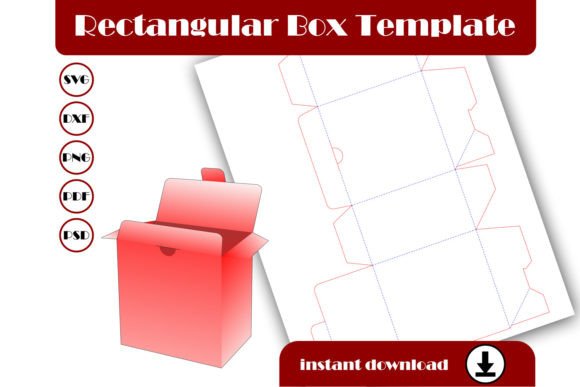
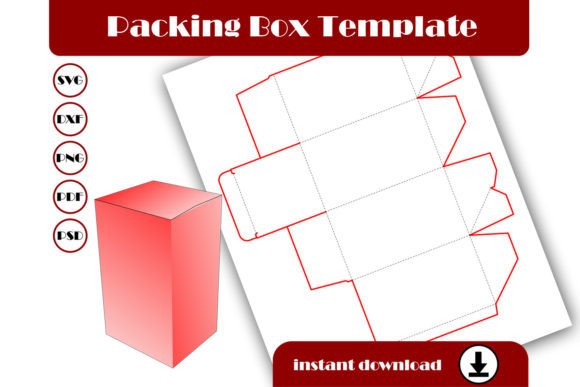
As a graphic designer who has spent the last decade refining brand identities and packaging structures for everything from boutique candle makers to high-volume e-commerce startups, I approach every new asset with a healthy dose of skepticism. We are constantly bombarded with digital products that promise versatility but deliver clutter. However, upon reviewing the Packing Box Template, Rectangular Box, my initial impression was one of refreshing utility. This is not merely a clipart element; it is a foundational structural tool designed for precision.
The visual mood this asset creates is one of organized potential. It represents a clean, modern design aesthetic that strips away unnecessary noise, allowing the designer to focus on structure and form. For a client project involving a handmade business or a small business branding overhaul, this level of neutrality is invaluable. It does not impose a specific style, which means it can seamlessly integrate into a rustic, industrial, or minimalist brand identity without fighting against existing logo design elements.
Structural Integrity in Real-World Client Projects
Let’s frame this review around a realistic scenario. Imagine I am working with a local artisan launching a new line of organic skincare products. The client needs packaging that feels premium yet approachable. They have limited budget for custom die-lines, so we need a solution that looks bespoke but is cost-effective to produce. This is where the Packing Box Template, Rectangular Box becomes a critical component of our workflow.
Because this is a 3D SVG file, it offers scalability that raster images simply cannot match. When I import this into Adobe Illustrator or Photoshop, the vectors remain crisp whether I am designing a tiny sticker label or a large-scale display stand. The inclusion of both .PSD and .SVG files ensures compatibility across different stages of the design process. For the initial concepting phase, the PSD allows for quick mockups with smart objects, while the SVG provides the precise cut lines needed for the final production.
In terms of application, this asset performs exceptionally well in packaging design and product mockups. It serves as the skeleton for our visual hierarchy. By establishing the box shape first, we can determine how much space is available for typography, ingredient lists, and branding marks. It helps maintain brand consistency by providing a fixed boundary within which all other creative design elements must reside. This constraint often sparks creativity rather than hindering it, forcing us to make deliberate choices about placement and scale.
Versatility Across Marketing and Digital Channels
Beyond physical packaging, this template proves its worth in digital marketing visuals. For social media graphics, particularly Instagram posts and Pinterest pins, having a realistic 3D representation of the product packaging increases perceived value. Customers engage more with content that shows the product in context. Using this rectangular box template, I can create compelling product mockups that highlight the unboxing experience, even before the physical inventory arrives.
For Cricut users and crafters, the SVG format is a game-changer. It allows for easy manipulation in cutting software, making it ideal for creating custom gift boxes for events or seasonal campaigns. Whether you are designing a wedding favor box or a holiday gift set for an Etsy product line, the ability to edit the vector paths ensures a perfect fit for your specific dimensions. This adaptability makes it a staple in any design bundle aimed at creative marketplace sellers.
Furthermore, this asset supports various sublimation design projects. If you are creating printable wall art or decorative accents for home goods, the clean lines of the rectangular box can be used as a framing device. It works well when paired with serif font for a classic look or sans serif font for a contemporary feel. I have also found it effective when combined with script font or handwritten font styles to add a personal, artisanal touch to the overall composition.
Strategic Placement and Visual Hierarchy
Understanding where to use this asset is just as important as knowing how to use it. The Packing Box Template, Rectangular Box shines in large layout areas and hero graphics. It commands attention when used as the central focus of a landing page or a printed flyer. In these contexts, it anchors the design, providing a sense of stability and professionalism. It enhances visual trust because it mimics real-world objects, making the digital representation feel tangible and reliable.
However, designers should exercise caution when using this asset in crowded layouts or at very small sizes. Because it is a structural element, it requires breathing room. Placing it against complex backgrounds or low-contrast designs can diminish its impact. It is not suitable for minimalist branding projects that rely solely on typography unless the box is used as a subtle textural element. In professional corporate materials, ensure that the box style aligns with the company’s established visual language to avoid disjointed aesthetics.
When considering readability, the box itself does not contain text, but it defines the space where text will live. Therefore, it indirectly affects hierarchy. A well-proportioned box guides the eye naturally from the brand logo to the product name and then to the call to action. This flow is crucial for conversion-focused marketing visuals and editorial design layouts.
Practical Designer Notes for Commercial Use
Before integrating this graphic design asset into a client deliverable, I always run through a rigorous checklist. First, test the design in black and white. This reveals any issues with contrast and ensures that the structural lines are clear without relying on color. Next, check the contrast on both light and dark backgrounds. While the SVG is versatile, you may need to adjust stroke weights or add drop shadows to ensure visibility on busy textures.
Preview the asset at various sizes. Zoom out to thumbnail size to see if the details hold up, and zoom in to inspect the vector nodes for smoothness. Place the box on real mockups to gauge its realism. Does it look like a flat illustration or a three-dimensional object? Adjust lighting and shadows in Photoshop to enhance the 3D effect if necessary.
Review the file formats carefully. The included .PSD file should have organized layers for easy editing. Inspect the PNG transparency if you are using raster versions to ensure there are no jagged edges. For the SVG, check editability in your preferred vector software. Can you easily change the dimensions? Are the paths closed and ready for cutting machines?
Finally, and most importantly, confirm the commercial license. As a professional designer, I never assume usage rights. Ensure that the license covers client work, print-on-demand services, and digital resale if applicable. This step protects both you and your client from legal issues down the line. When used correctly, the Packing Box Template, Rectangular Box is a powerful tool that elevates the quality of your design assets, streamlines your workflow, and delivers polished, professional results for any small business branding project.