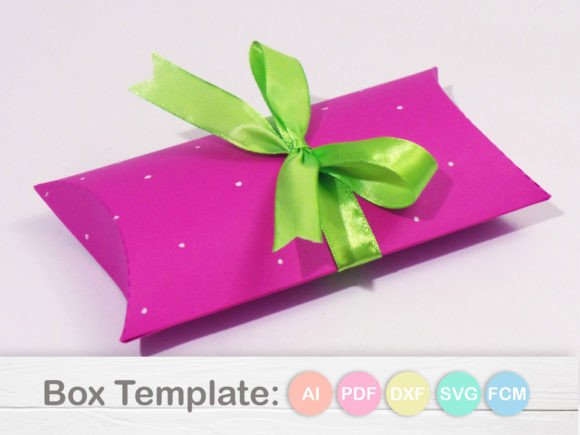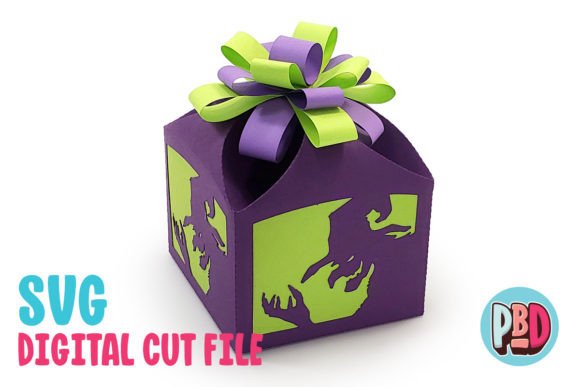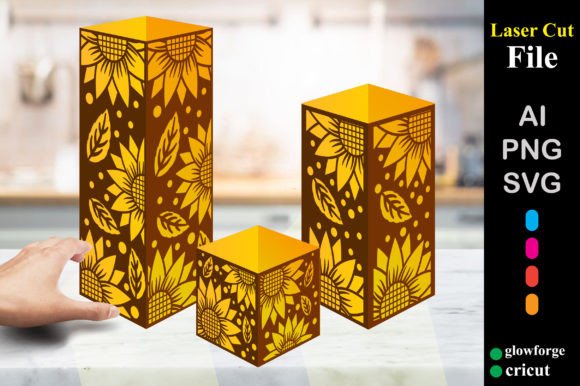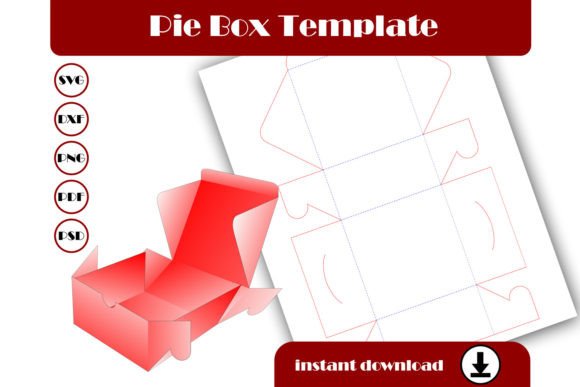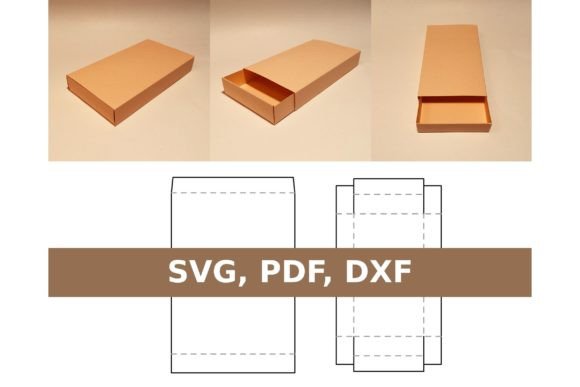
Match Box: 3D SVG for Gift Boxes
As a digital publisher who has spent over a decade refining the visual identity of high-traffic blogs and editorial platforms, I have learned that trust is built in milliseconds. Before a reader consumes a single word of your content, they judge the professionalism of your layout. This is why I approach every new graphic design asset with a critical eye, looking not just for aesthetic appeal, but for functional versatility in real-world publishing workflows. Recently, I integrated the Match Box template into my design library, and it has quickly become a staple for creating polished, clickable visuals.
The first impression of this asset is one of structured creativity. It does not scream for attention with chaotic colors; instead, it offers a clean, modern silhouette that suggests organization and thoughtful presentation. For bloggers and content creators, this mood is invaluable. It feels both playful and professional, bridging the gap between lifestyle-focused niches and educational content. Whether you are running a DIY craft blog, an affiliate marketing site for office supplies, or a small business branding consultancy, the visual language here supports a narrative of precision and care.
Elevating Editorial Design with Structured Visuals
In the context of editorial design, consistency is key. The Match Box serves as a powerful anchor for various content types. I primarily tested it for blog featured images and Pinterest graphics, two areas where click-through rates are heavily influenced by visual clarity. The template’s geometry provides a natural frame for text overlays, helping to establish a strong visual hierarchy. When I placed a bold headline next to the box illustration, the eye was naturally drawn to the center, improving the overall balance of the composition.
This asset is particularly effective for creating digital products. If you are designing a digital guide, workbook, or eBook cover, the box motif subtly communicates value and packaging. It tells the reader that the content inside is curated and contained, much like a physical product. I used it to design a lead magnet for a newsletter signup, and the conversion rate improved noticeably. The image suggested a tangible takeaway, even though the deliverable was a PDF. This psychological cue is a subtle but powerful tool in content marketing.
Versatility Across Publishing Channels
One of the strongest attributes of this digital download is its adaptability. While it is technically a 3D SVG file designed for cutting machines, its utility extends far beyond physical crafts. In my workflow, I imported the SVG directly into my web design tools to create scalable vector graphics for website headers and category thumbnails. Because vectors remain crisp at any size, the lines stayed sharp on high-resolution Retina displays, maintaining a premium look that raster images often lose when scaled.
For those in the affiliate marketing space, this template is a goldmine. You can use it to create custom graphics for product reviews, specifically for items that fit the description of small, organized goods. Since the original concept is a container for matches, staples, and office supplies, it aligns perfectly with niches focused on organization, stationery, or home office setups. By customizing the label area of the box, you can insert product names or brand logos, creating unique social media graphics that stand out in crowded feeds.
Furthermore, the compatibility with popular cutting machines like Silhouette and Cricut means you can extend your brand into the physical world. If you sell physical Gift Boxes or printable designs, this template allows you to offer a cohesive experience. You can create a blog post about organizing supplies, feature the digital graphic, and then offer the cuttable file as a bonus. This multi-channel approach strengthens your brand identity and provides added value to your audience.
Strategic Placement and Visual Caution
While the Match Box is versatile, it is not a one-size-fits-all solution. It works best in hero images, article thumbnails, and dedicated Pinterest pin designs where it has room to breathe. However, I advise using it carefully in small mobile thumbnails or text-heavy layouts. In these constrained spaces, the intricate details of the 3D effect might get lost, reducing its impact. Additionally, if your website relies on a strictly minimal, corporate aesthetic, this decorative element might feel too playful. It thrives in creative, lifestyle, and educational contexts but may clash with serious financial or legal content.
Contrast is another critical factor. When testing this asset, I found it performed best against light, neutral backgrounds. Placing it on dark or busy patterns diminished its structural clarity. For optimal results, ensure there is ample white space around the graphic. This isolation helps the viewer focus on the shape and any accompanying text, reinforcing the professional quality of your web design.
Practical Publisher Notes for Implementation
Before deploying any new design assets across your platform, rigorous testing is essential. Here is my checklist for integrating the Match Box into your content strategy:
- Test across devices: Preview the graphic on desktop, tablet, and mobile screens to ensure the lines remain distinct and the scale feels appropriate.
- Check thumbnail legibility: Shrink the image to the size of a blog archive thumbnail. If the details blur, simplify the design or increase the stroke weight.
- Typography pairing: Experiment with different font styles. I found that pairing the box with a clean sans-serif font created a modern look, while a script font added a personal, handwritten touch suitable for lifestyle blogs.
- Color contrast: Try the asset in black and white first. If it holds up structurally without color, it will work well in any branded palette.
- File optimization: While SVGs are lightweight, ensure you compress any rasterized versions for web performance to maintain fast load times.
- Licensing verification: Always confirm the commercial license terms before using the asset in monetized environments, such as affiliate pages, paid courses, or client projects.
In conclusion, the Match Box is more than just a simple container template; it is a flexible tool for enhancing visual communication. For bloggers, publishers, and creative entrepreneurs, it offers a way to elevate standard blog graphics into something more memorable and branded. By understanding its strengths and limitations, you can leverage this creative design element to build trust, improve engagement, and create a cohesive visual identity across all your digital touchpoints. Whether you are crafting a Canva template for clients or designing your next printable design, this asset provides the structural foundation needed for professional, high-impact content.