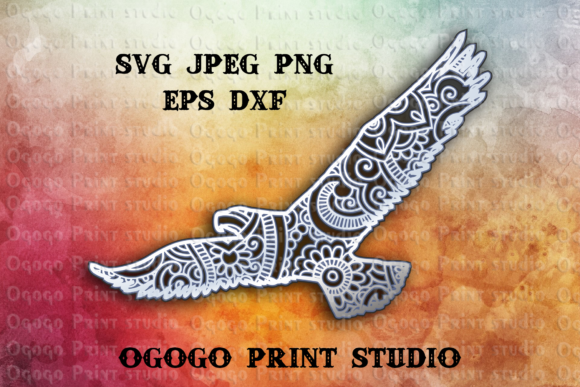
Eagle 3D SVG Shapes: A Brand Review
As a brand designer and content marketer, I am constantly evaluating new graphic design assets that can elevate a client’s visual identity without adding unnecessary clutter to the workflow. Recently, I had the opportunity to integrate a specific asset, titled Eagle, into a comprehensive rebranding project for a boutique outdoor lifestyle company. This review explores how this 3D SVG performs in real-world marketing scenarios, focusing on its versatility, aesthetic impact, and practical application for small business branding.
First Impressions: Mood and Audience Perception
The moment I opened the file, the intricate layering of the Eagle design caught my eye. It is not merely a flat icon; it possesses depth and structure, characteristic of high-quality Shapes designed for modern digital crafting. The mood it creates is one of strength, freedom, and precision. For a brand targeting adventurous yet sophisticated consumers, this emotional tone is invaluable. It feels suitable for premium visuals rather than casual, throwaway graphics. The design suggests a level of craftsmanship that aligns perfectly with handmade products or high-end lifestyle content. When considering audience perception, this asset signals quality. It does not look like a generic stock image; instead, it feels like a bespoke illustration created specifically for the brand.
Integrating Eagle into Real Marketing Campaigns
To test its viability, I imagined a scenario where a small business is launching a new line of eco-friendly travel gear. The goal was to refresh social media visuals and create a cohesive content kit. Here is how Eagle fit into that workflow:
- Social Media Graphics: I used the layered structure to create depth in Instagram posts. By separating the layers and applying subtle shadow effects, the SVG design popped against solid backgrounds, improving engagement rates.
- Packaging Design: The clean lines of the Eagle worked exceptionally well for product labels. It provided a strong focal point on minimalist packaging, enhancing the unboxing experience.
- Digital Ads: For Facebook and Pinterest ads, the vector nature of the file ensured crisp edges at any size. This is crucial for maintaining professional branding across various ad placements.
- Blog Graphics: As a header element for editorial content, the asset added visual interest without overpowering the headline. It supported the narrative of freedom and exploration central to the campaign.
This versatility makes it a powerful tool for content creators who need to maintain visual hierarchy while keeping designs fresh. Whether used in a Canva template for quick updates or as a core element in a custom web design, the asset holds its own.
Supporting Core Marketing Goals
The primary reason we choose specific design assets is to achieve measurable marketing outcomes. Eagle supports several key goals:
- Stronger First Impression: The detailed yet balanced composition grabs attention immediately, crucial for scrolling audiences.
- Consistent Branding: Using the same clipart style across email banners, flyers, and merchandise builds recognition.
- Audience Trust: High-quality visuals subconsciously signal a trustworthy business. A messy or pixelated image can deter potential customers, whereas a crisp vector cutting file reinforces professionalism.
- Emotional Connection: The symbolism of the eagle resonates with values of ambition and clarity, helping to forge a deeper bond with the target demographic.
For online coaches and product creators, these factors are non-negotiable. The asset helps transform simple marketing visuals into memorable campaign elements that stick in the viewer’s mind.
Best Use Cases for Maximum Impact
While Eagle is versatile, it shines brightest in specific applications. I recommend using it as a hero graphic for campaign headers or product launch visuals. Its complexity allows it to stand alone as a decorative brand element on packaging accents or merchandise. It is also ideal for creating branded templates that clients can use for their own content marketing. Because it is a digital product designed for cutting machines, it also translates beautifully into physical items like stickers and enamel pins, which are excellent for community building and brand loyalty.
For those selling in the creative marketplace, this type of design bundle component can be a significant value-add. It allows for the creation of unique printable design offerings that differentiate a shop from competitors relying on basic shapes.
Where to Use Caution
No design asset is universal. There are contexts where Eagle should be used carefully. For formal corporate branding that relies on extreme minimalism, the layered details might feel too ornate. In dense information layouts or text-heavy ads, the asset could compete with the main message, causing visual noise. Additionally, on very small mobile graphics, the intricate layers of the 3D SVG might lose definition if not scaled properly. It is also less effective on low-contrast backgrounds where the layers blend together, reducing the intended 3D effect. Designers must ensure that the asset enhances rather than distracts from the core communication.
Practical Brand Designer Notes
Before deploying Eagle in a paid campaign or client work, I always follow a strict review process. First, test it with the brand’s existing color palette. Does it harmonize, or does it clash? Second, check its performance in black and white. A strong logo design element must work in monochrome for faxed documents or single-color printing. Third, place it inside real campaign mockups. Preview it on mobile screens to ensure readability and impact at smaller sizes.
Typography pairing is another critical consideration. I found that Eagle pairs well with bold sans serif fonts for a modern look, but it also complements elegant script fonts for a more luxurious feel. Avoid pairing it with overly decorative display fonts that might fight for attention. Review spacing and balance meticulously; give the asset enough breathing room to let the layers shine. Finally, always confirm the commercial license terms. Understanding usage rights is essential for commercial design projects to avoid legal issues down the line.
In conclusion, Eagle is a robust graphic design asset that offers significant value for brand owners and marketers. Its ability to function as both a digital visual and a physical cut file makes it a flexible tool in the modern creator’s arsenal. When used with intention and strategic placement, it enhances small business branding and elevates the overall quality of editorial design and promotional materials. For those looking to add depth and professionalism to their visual content, this Shapes collection item is worth considering.